
 UK & Ireland (English)





MRI in veterinary practice: interview with Dr. Arnd Stelljes


What requirements should an MRI system fulfil in veterinary practice?
An MRI system should be specifically tailored to the needs of veterinary medicine – through dedicated coils, software, and ease of use. Fast and high quality images, as well as easy-to-learn operation are also important. And as you would expect, cost-effectiveness and small spatial requirements also play a major role.
You have now purchased your third MRI system in succession. What led you to this decision?
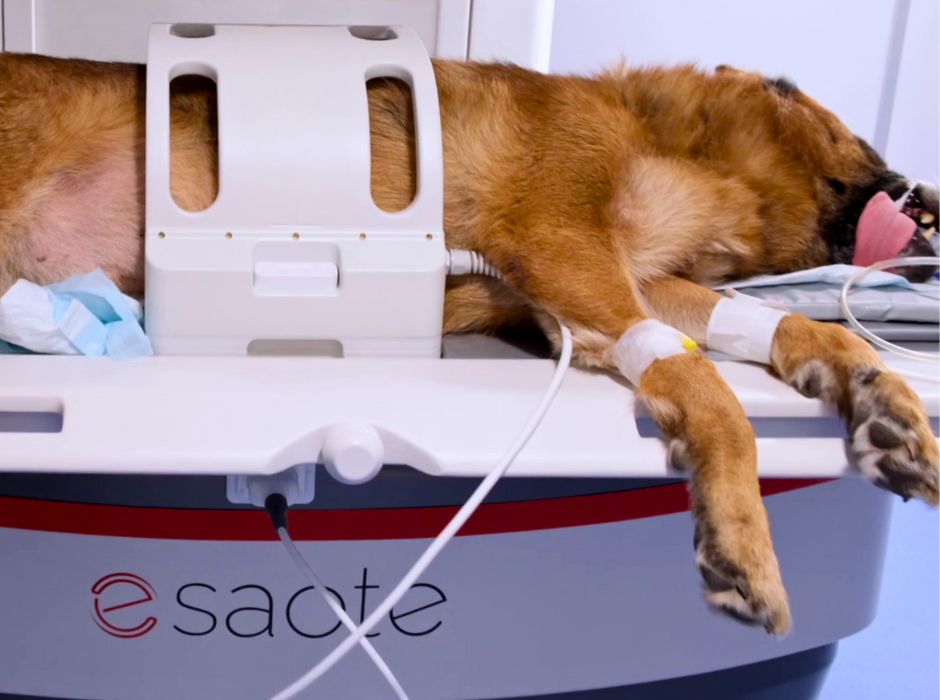
We have been operating MRI in our clinic since 2003. Over the years, more optimised systems have been introduced, along with innovations and improvements in coils, software, and so on, which we have gladly adopted and want to continue to use. We chose the latest system because it is forward-looking and meets all our requirements, such as ease of handling and excellent, fast image quality. Above all, its cost-effectiveness once again convinced us, since the new system also benefits from very low operating costs thanks to its permanent magnet.
What structural requirements did the new system entail?
Like most clinics, we have limited space, so we were obviously very pleased that we could install the new system in the room that had been set aside for it. Thanks to its compact design and relatively small space requirement, it was possible to fit the system into the small room and place the necessary electronics in the corridor in front of it, next to the operator’s workstation.
How do you assess the system’s cost-effectiveness?
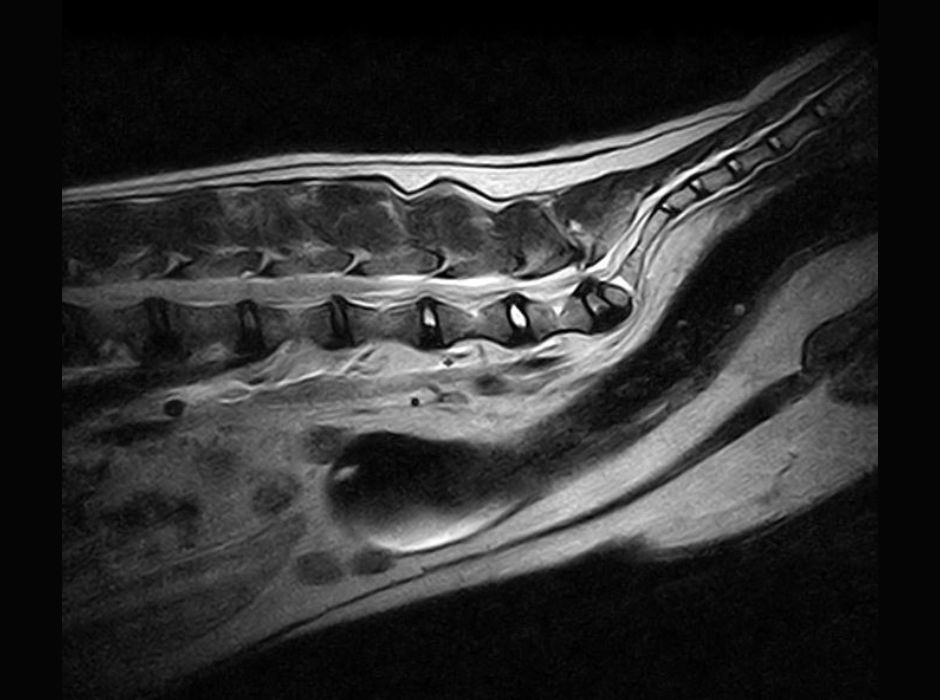
Thanks to the permanent magnet, one major advantage is the significantly lower electricity consumption compared with high-field systems. We can cool the MRI room with our standard air conditioning, and since no helium is required, operating costs are very low, which is another important factor for us.
What did you and your team need in order to carry out MRI examinations?
Thanks to detailed initial training and ongoing support, performing MRI examinations did not take long to learn, and Dr Sandra Gerhard, a specialised veterinary physician, has been part of our team since 2011. With the help of further training opportunities, specialised courses, and exchanges with other experts, knowledge and skills are being continuously improved. Thanks to specially designed coils and the open structure of the system, it is possible to position and examine animals of various types and sizes quite easily. We have benefited from excellent support here too.
What expectations do you have from your new system?
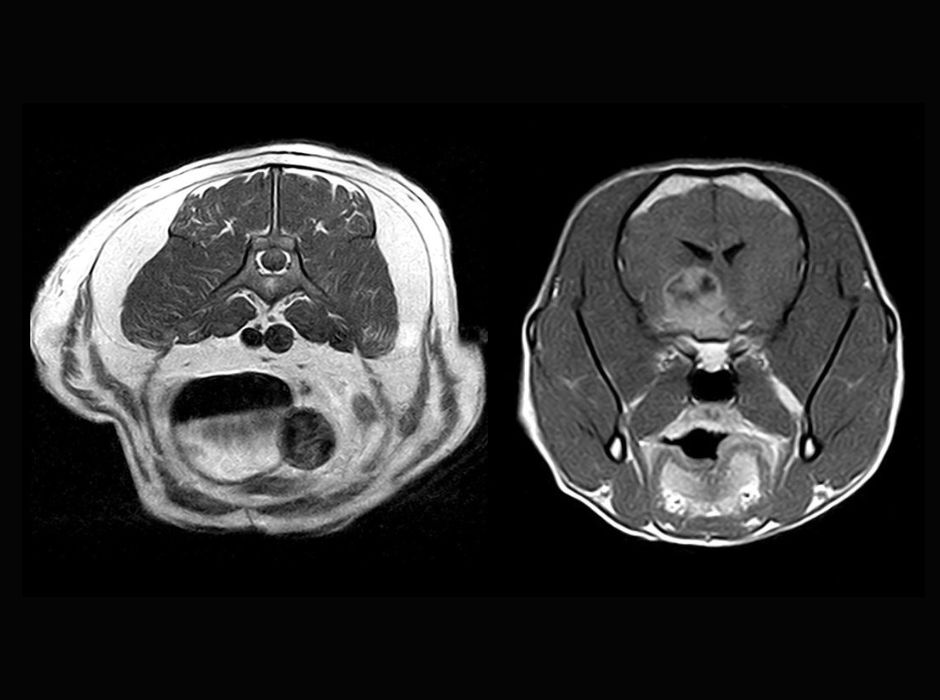
Veterinary medicine places specific demands on an MRI system. Our current system, the Magnifico Vet, meets these which makes it a forward-looking system for the modern veterinary practice. We look forward to taking further steps with it, such as new sequences and features, as well as future developments in AI. The long-standing excellent collaboration, along with the high-level technical service and the personalised advice and support on site or remotely, have been and remain important to us.

