
 The Netherlands (English)





Using O-scan Vet at Atlantia Veterinary Hospital


What motivated you to introduce MRI into your practice?
MRI provides crucial diagnostic precision in neurological cases, particularly for brain and intramedullary disorders where CT is often insufficient. Having an on-site system allows us to confirm diagnoses faster, discuss treatment options directly with owners, and avoid referring patients externally — which improves workflow continuity and client satisfaction.
Atlantia is a major veterinary hospital in France — what led you to choose the O-scan Vet system?
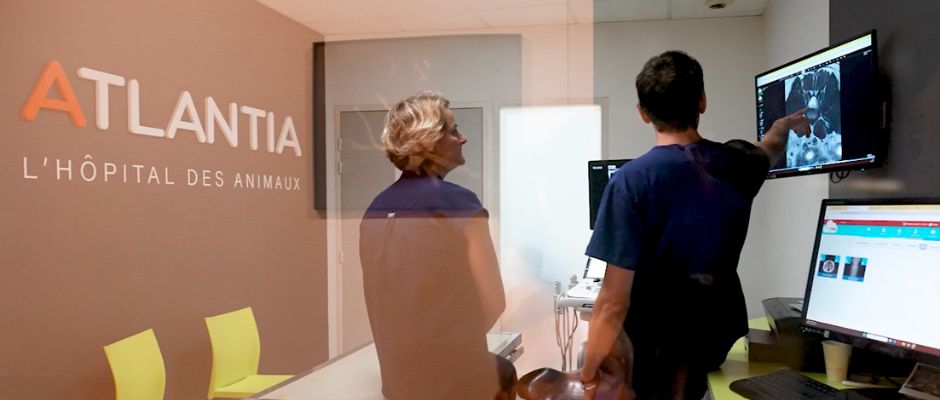
Installing a high-field MRI was not an option due to our hospital’s specific constraints — notably an underground parking area and a nearby railway line, which made the installation and magnetic shielding of a high-field system much more complex. The O-scan Vet offered the best compromise between image quality, compactness, and ease of installation, while fitting seamlessly into our existing infrastructure.
How has the O-scan Vet MRI impacted your workflow and patient care? In which types of cases do you typically use MRI?
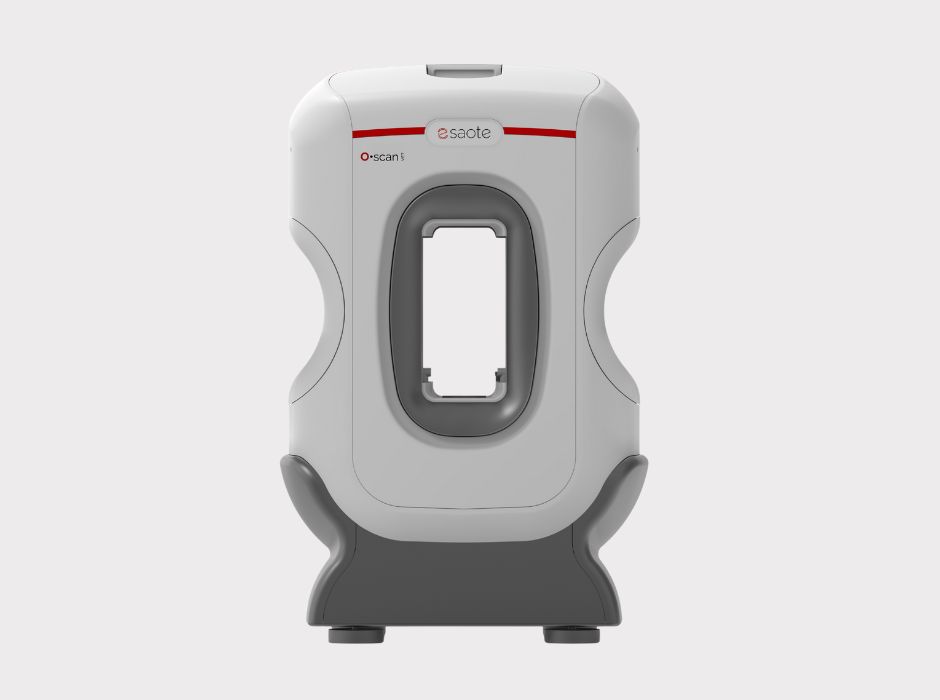
The O-scan Vet has significantly improved our diagnostic efficiency. It’s particularly valuable for brain cases and for cases where intramedullary lesions are suspected, where MRI findings guide treatment decisions.
Do you find the size of the O-scan Vet limiting in any way?
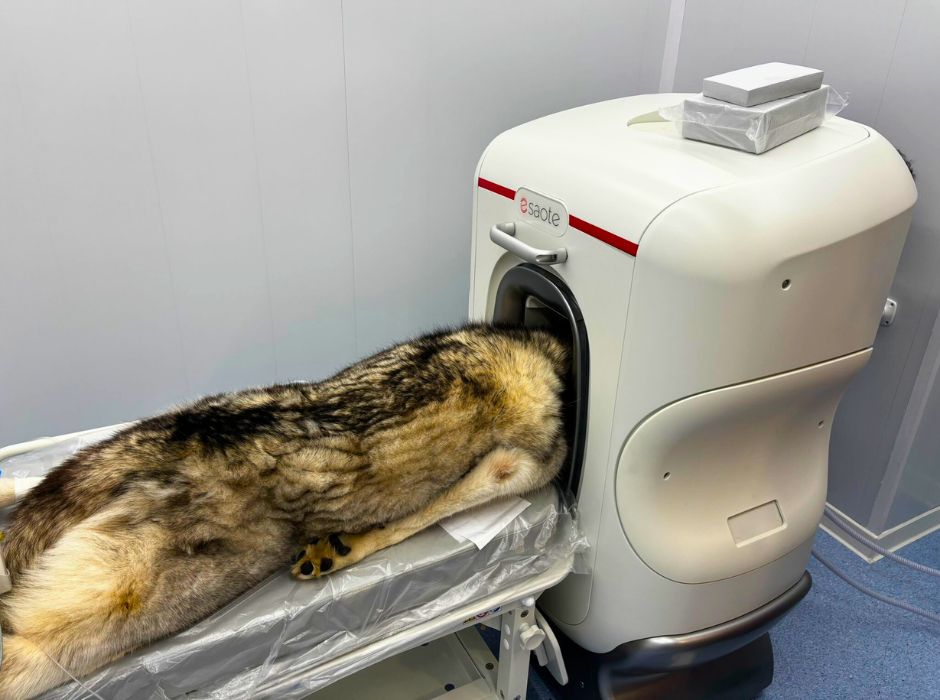
For head imaging, size has almost never been a limitation. For spinal imaging, however, the system is suitable mainly for patients under approximately 10 kg.
How would you rate the image quality provided by this compact MRI system?
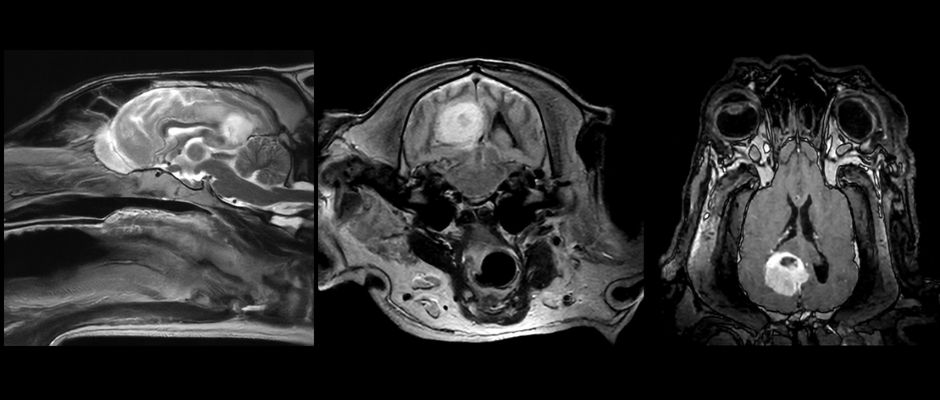
The image quality is clearly superior to what we initially expected from a low-field MRI. It provides reliable and detailed images that allow confident diagnosis in most intracranial and spinal cases.
What are your thoughts on the upcoming software improvements for the O-scan Vet?
We’re looking forward to the new features planned for 2026, including DWI and thinner FSE sequences, which will significantly enhance diagnostic capabilities for brain disorders and imaging of very small animals.

